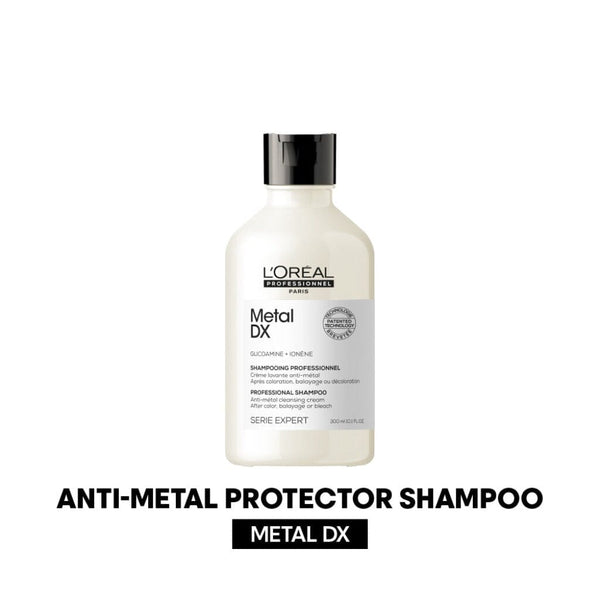
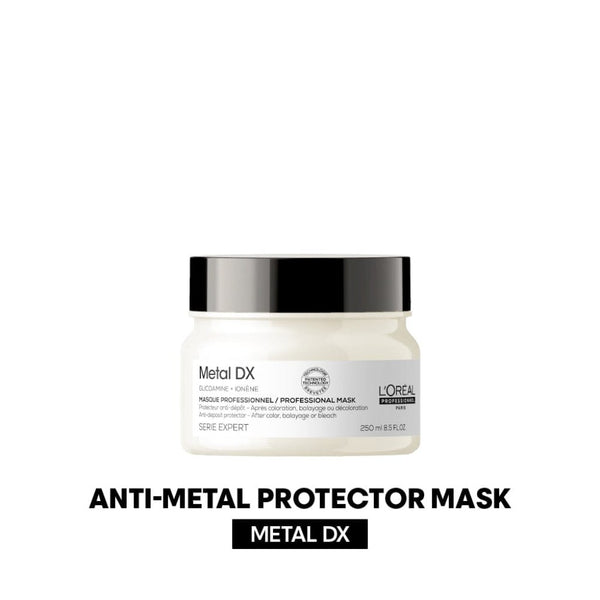
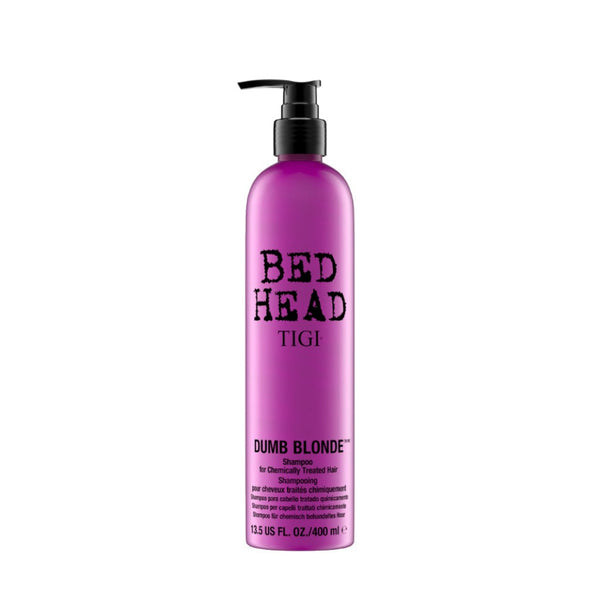
If your hair feels weighed down, dull, or perpetually greasy no matter how often you wash it — you're not dealing with a bad hair day, you're dealing with buildup. A clarifying shampoo is the reset your routine needs. This guide covers exactly what clarifying shampoo does, when to use it, how often, how to apply it correctly, and — critically for Filipinos — what makes it non-negotiable in a country with hard water, high humidity, and heavy-pollution air. Browse our full Clarifying Shampoos & Masks collection to find the right formula for your hair type.
What Is a Clarifying Shampoo?
Clarifying shampoos — also called purifying shampoos — are formulated to do one thing exceptionally well: deep-clean. Where your regular daily shampoo balances cleansing with moisturising, a clarifying formula strips away the residue that accumulates over time: styling products (wax, mousse, hairspray), silicones from conditioners, minerals from hard water, pollution, sweat, and excess sebum.
Think of it as the difference between wiping a counter with a damp cloth versus scrubbing it clean. Your regular shampoo does maintenance. Clarifying shampoo does the deep clean.
For Filipinos, this matters more than most. Metro Manila tap water contains elevated levels of calcium and magnesium — the minerals that make water "hard" — and daily exposure to pollution and humidity means styling residue compounds faster. If your hair has been looking brassy or muddy despite regular washing, hard water mineral deposits are often the culprit. Clarifying shampoo dissolves them. Color-treated hair prone to brassiness may also benefit from pairing with a purple shampoo on alternate detox sessions.
Signs You Need to Clarify
How do you know it's time for a reset? Watch for these signals:
- Hair feels heavy or limp despite being freshly washed
- Conditioners and masks stop working — product buildup creates a barrier that blocks moisture absorption
- Scalp is oily within hours of washing — sebum and residue are trapping each other
- Hair looks dull, not shiny even after conditioning
- Brassy or muddy tone on colored hair — mineral deposits shift color over time
- Itchy scalp or flaking that isn't dandruff — product residue can congest hair follicles
- You're about to start a new hair routine (perm, color, or bond-building treatment) — clarifying first ensures the products can penetrate properly
To understand your scalp's unique tendencies before choosing a clarifying schedule, check out What's Your Scalp Type? — knowing whether you lean oily or dry is the foundation for how often you should clarify.
How to Use Clarifying Shampoo: Step-by-Step
Getting the most out of your clarifying shampoo comes down to application technique — it's not the same as your regular wash-day routine.
Step 1 — Wet hair thoroughly
Saturate your hair with warm water before applying. Warm water opens the cuticle and loosens buildup at the scalp level, making the shampoo more effective.
Step 2 — Apply directly to the scalp and roots
Dispense a small amount — about the size of a 10-peso coin for medium-length hair — and work it in at the roots first. Buildup is always heaviest closest to the scalp; that's where the focus needs to be. Work through to the mid-lengths only if needed.
Step 3 — Massage for 1–2 minutes
Don't rush this step. Use the pads of your fingers (not nails) in circular motions. The massage action physically breaks up residue and stimulates blood circulation in the scalp. You'll notice the lather is often less creamy than a regular shampoo — that's normal. Clarifying formulas lather differently because they're not loaded with conditioning agents.
Step 4 — Leave on for 1–3 minutes
Unlike a mask, clarifying shampoo doesn't need a long dwell time. One to three minutes is sufficient for the active ingredients to dissolve mineral deposits and residue. Do not leave it on longer than directed — overexposure strips too much of the hair's natural oils.
Step 5 — Rinse thoroughly
Rinse more than you think you need to. Incomplete rinsing can leave clarifying agents on the scalp, which defeats the purpose of the wash.
Step 6 — Follow immediately with a deep conditioning mask
This is the step most people skip — and the most important one. Clarifying shampoo fully opens the cuticle and temporarily strips moisture. Your hair is at maximum absorption capacity the moment you rinse. This is exactly when a deep conditioning mask is most effective. Apply generously from mid-lengths to ends, leave on for 3–5 minutes minimum, then rinse.
What to Use After Clarifying
A clarifying wash without a follow-up routine wastes half the benefit. Once the slate is clean, your hair can absorb active ingredients it previously couldn't reach. Here's how to build the full post-clarify routine:
Immediate: Deep conditioning mask
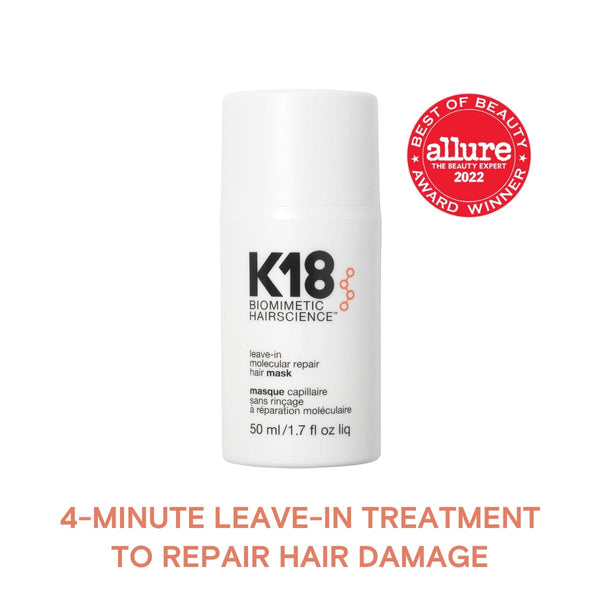
Apply immediately after rinsing the clarifying shampoo while the cuticle is still open. The K18 Leave-In Molecular Repair Hair Mask is the most effective option for this moment: its patented peptide technology works at the polypeptide chain level to repair damage from within — not just coat the surface — and because it's leave-in, it continues working as hair dries. Apply to damp hair after clarifying, do not rinse out.
Finishing: Repair oil to seal
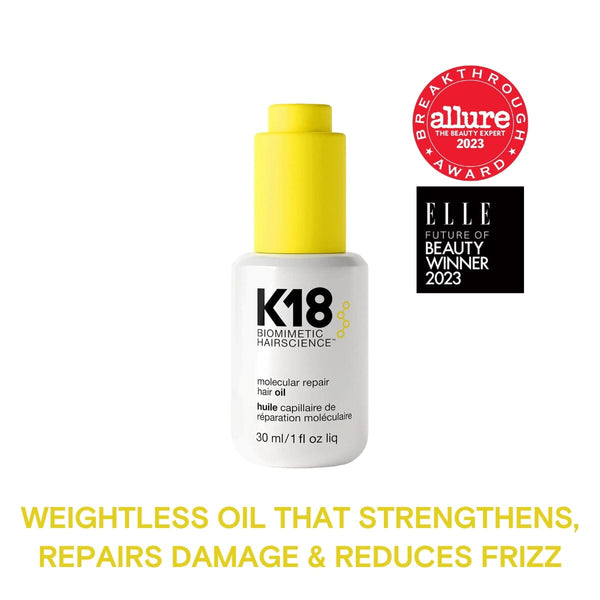
After the mask, apply a few drops of the K18 Molecular Repair Hair Oil to smooth the cuticle and lock in the treatment. This completes the K18 Peptide Prep detox system: clarify → repair → seal. The oil also protects against humidity-driven frizz — a persistent concern in Filipino weather.
Ongoing: Sulfate-free shampoo on regular wash days
Between clarifying sessions, switch to a sulfate-free shampoo to cleanse gently without stripping your scalp's natural barrier. Sulfates are effective cleansers but aggressive enough to necessitate more frequent clarifying if used daily — gentle sulfate-free formulas extend the window between detox washes.
How Often Should You Use Clarifying Shampoo?
There's no universal answer — frequency depends on your scalp type, lifestyle, and product usage. Here's a practical framework:
| Hair / Scalp Profile | Recommended Frequency |
|---|---|
| Heavy product user (wax, spray, dry shampoo daily) | Once a week |
| Oily scalp, lives in a city (pollution exposure) | Every 1–2 weeks |
| Normal scalp, light product use | Once a month |
| Color-treated or chemically processed | Once a month or as needed |
| Dry or sensitive scalp | Once every 6–8 weeks |
| Swimmers (chlorine) or beach regulars (salt water) | After each exposure |
The golden rule: observe your hair, not the calendar. If it feels heavy and product-resistant before your scheduled clarify, go earlier. If your scalp feels dry or your color looks faded, extend the interval.
To build a more personalised routine from scratch, read our clarifying shampoo guide on building a routine.
Not All Clarifying Shampoos Are the Same
Clarifying shampoos are not interchangeable — the right formula depends on your specific scalp concern.
For scalp with oily or dry dandruff
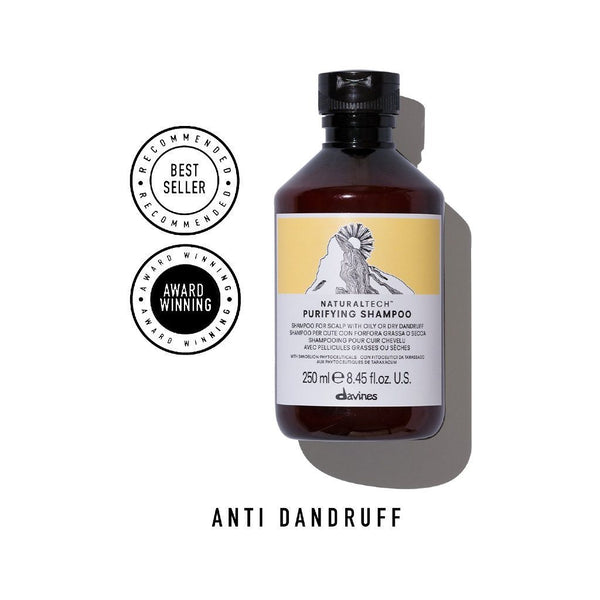
Davines Naturaltech Purifying Shampoo targets both oily and dry dandruff, with a recommended protocol of at least once a week for six weeks for visible results. It is one of the few professional shampoos formulated to address the scalp microbiome alongside surface buildup.

For heavy styling product users or pre-chemical service prep
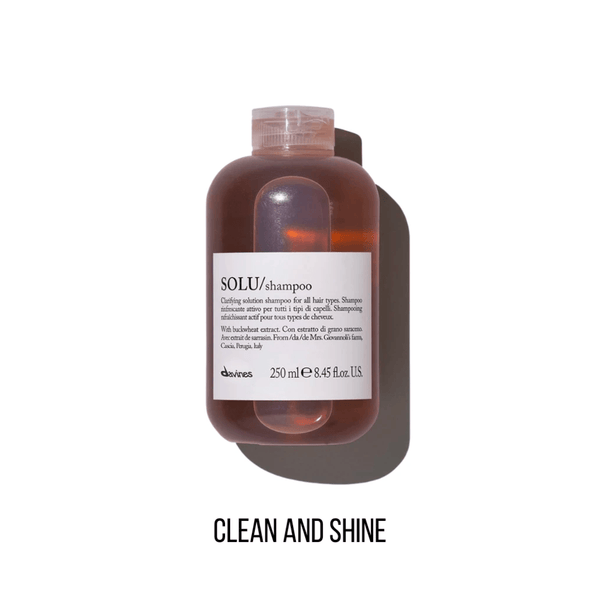
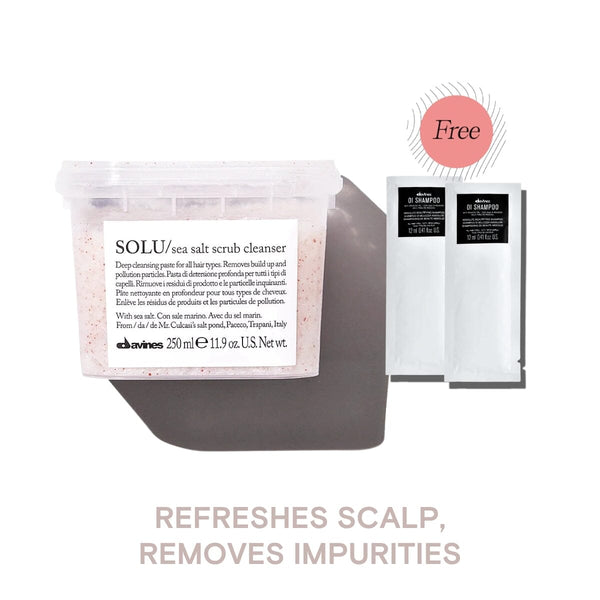
Davines SOLU Shampoo is a clarifying treatment for all hair types designed to remove product buildup, hard water minerals, and pollutants. It's specifically formulated for heavy product users and those preparing for a perm or color service, when removing every trace of residue from the hair shaft is essential. Because it provides a deep cleanse, using it daily can strip your hair of natural oils and cause dryness — use it as a treatment, not a daily shampoo.

For deep peptide-powered detox
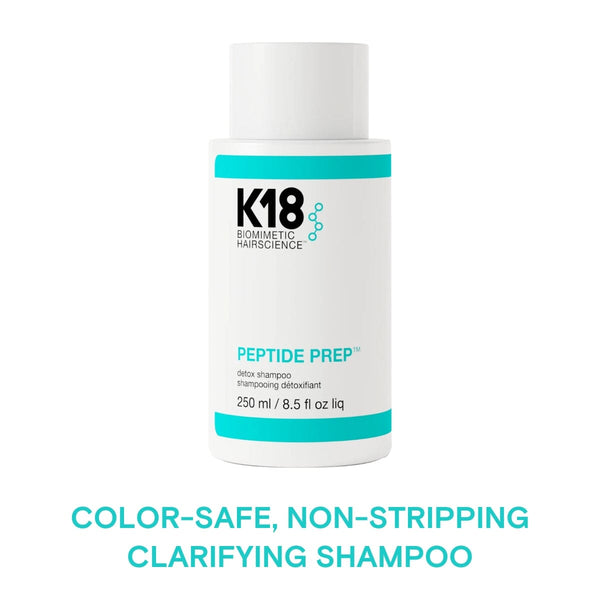
K18 Peptide Prep Detox Clarifying Shampoo pairs a thorough clarifying cleanse with K18's peptide technology, making it a strong option for those who also want to support hair repair alongside their detox session.

For bond-maintaining clarification
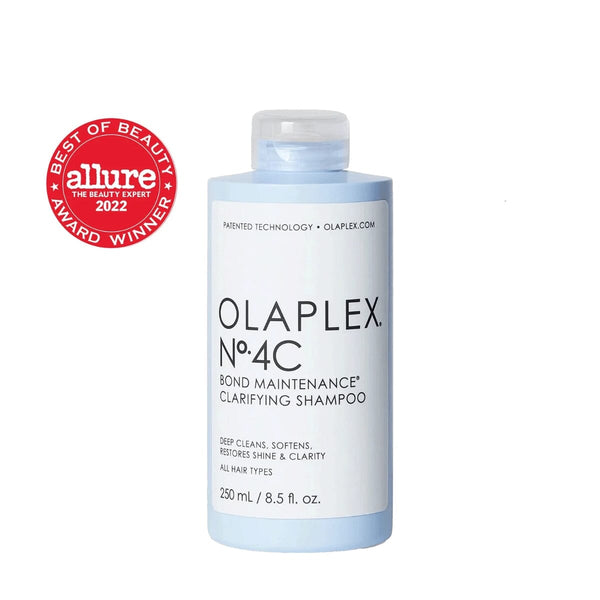
Olaplex No. 4C Bond Maintenance Clarifying Shampoo removes buildup while actively working to maintain hair bonds — a useful option for chemically processed hair that needs to clarify without compromising structural integrity.

For a refreshing, scalp-purifying cleanse
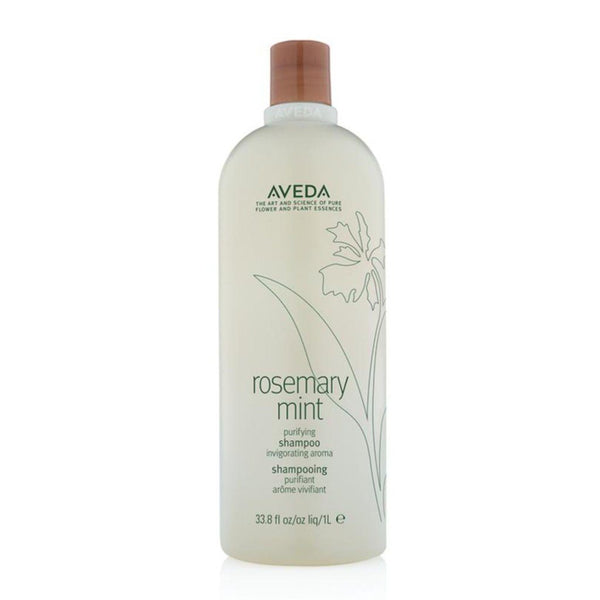
Aveda Rosemary Mint Purifying Shampoo combines a purifying cleanse with a refreshing rosemary and mint sensory experience, formulated to remove buildup and leave the scalp feeling clean and invigorated.

The Philippines Angle: Why Clarifying Matters More Here
Most international clarifying shampoo content ignores local context. Here's what's different for Filipino hair:
Hard water: Metro Manila's water supply tests positive for elevated mineral hardness. Calcium and magnesium ions bond to hair protein and the scalp surface, dulling color, blocking moisture, and causing the "always-greasy-but-also-dry" paradox that confuses so many Filipino washers. Clarifying shampoo is one of the few products that actually dissolves these mineral deposits — regular shampoo cannot.
Humidity and heat: High ambient humidity means scalp sebum production is amplified. Combine that with the frequent hat and helmet use common in the Philippines, and buildup accumulates faster than in temperate climates.
Pollution: Microscopic particulate matter deposits on the scalp and hair shaft that no conditioner can address. A monthly clarifying session is the minimum for urban dwellers.
Vacation and beach trips: Salt water and chlorine are extremely effective at depositing mineral residue and drying the hair shaft. A clarifying wash after beach or pool exposure — followed immediately by a deep mask — prevents long-term damage accumulation.
If scalp congestion has progressed to hair shedding, it may be time to look beyond clarifying alone. Read Is Your Hair Falling Out? It Might Be Time for a Scalp Exfoliation and Some Love For the Scalp for the full scalp-health picture.
The Clarifying Detox Toolkit
Ready to start? These are the products to build your kit around:
- Clarify: Browse the full Clarifying Shampoos & Masks collection — professional-grade formulas across every scalp type.
- Repair: K18 Leave-In Molecular Repair Hair Mask — apply post-clarify to maximize molecular repair while the cuticle is fully open.
- Seal: K18 Molecular Repair Hair Oil — lock in the treatment and protect against humidity.
- Maintain: Switch to a sulfate-free shampoo between clarifying sessions to extend results without stripping.