If you're trying to decide between rebonding, keratin, Brazilian Blowout, or Argila Amazonia, you're in exactly the right place. This guide cuts through the confusion and helps you pick the best hair smoothing treatment in the Philippines for your hair type, lifestyle, and budget — before you book a single salon appointment.
Not all smoothing treatments are created equal. Some permanently restructure your hair's bonds; others lay a protective protein coat over the cuticle. Choose the wrong one and you could end up with over-processed hair, a result that fades in weeks, or a formula your stylist wasn't upfront about. Let's make sure that doesn't happen to you.
The Most Important Distinction: Permanent vs. Semi-Permanent
Every salon smoothing treatment falls into one of two categories. Understanding this divide is the single most useful thing you can do before your consultation.

Permanent Straightening (Rebonding & Japanese Straightening)
Think of this as a structural renovation for your hair. These treatments use chemicals — typically ammonium thioglycolate or sodium hydroxide — combined with high heat to break and permanently reform the disulfide bonds inside each hair strand.
- The result: Pin-straight, "ironed" hair with no natural movement.
- The longevity: Permanent until the hair grows out. New growth will show the original texture, typically after 3–6 months.
- Best for: Very curly, coarse, or thick hair types that want to eliminate the flat iron from their routine entirely.
- The trade-off: Hair can feel stiff; chemical overlap on previously rebonded lengths causes damage. Future bleaching or lightening becomes significantly riskier.
Want a deeper technical breakdown of how these two processes differ? Read our guide: Keratin Treatment vs. Rebond: What's the Difference?
Semi-Permanent Smoothing (Brazilian Blowout, Argila Amazonia, Amino Acid Treatments)
Think of this as a protective top coat — these treatments don't alter the structure of your hair. Instead, they use proteins, amino acids, or clay complexes to seal the cuticle flat, locking out humidity and dramatically reducing frizz.
- The result: Soft, shiny, frizz-free hair that retains natural movement and volume.
- The longevity: Gradually washes out over 2–4 months depending on how frequently you shampoo.
- Best for: Frizzy, wavy, or fine-to-normal hair types who want manageability without a "flat" or stiff appearance.
- The trade-off: Requires upkeep (repeat treatments every few months) and proper sulfate-free aftercare to extend results.
At-a-Glance: Which Smoothing Treatment Is Right for You?

| Treatment | Type | Result | Lasts | Best For | Key Watch-Out |
|---|---|---|---|---|---|
| Rebonding | Permanent | Pin-straight | Until grows out | Thick, coarse, very curly hair | No bleaching after; can feel stiff |
| Japanese Straightening | Permanent | Silky-straight, slightly more natural | Until grows out | Coarse hair wanting a softer finish | Higher cost; same chemical risks |
| Brazilian Blowout | Semi-permanent | Shiny, smooth, voluminous | 2–3 months | Frizzy, wavy, or color-treated hair | Check for formaldehyde in formula |
| Argila Amazonia | Semi-permanent | Smooth, hydrated, natural movement | 2–4 months | All hair types, especially damaged or fine hair | Won't give "stick-straight" results |
| Amino Acid Treatment | Semi-permanent | Soft, natural, lightest smoothing | 2–3 months | Fine, fragile, or chemically treated hair | Gentlest result — not for extreme frizz |
The "Need, Want, But" Test
Still undecided after the table above? Work through these three questions for each treatment:
- Rebonding: I need zero frizz and want pin-straight hair, but I have to accept that my hair may feel stiff and I cannot bleach it afterward.
- Brazilian Blowout: I need shine and want to keep my volume, but I'll need sulfate-free products and more frequent salon upkeep to maintain results.
- Argila Amazonia: I need a vegan, safe formula and want manageable hair with natural volume, but I know it won't deliver "stick-straight" results.

If you're still weighing up the permanent route, our full explainer on everything you need to know about rebonding walks through the chemical process, recovery, and long-term care in detail.
A Critical Heads-Up on Brazilian Blowouts in the Philippines
In Philippine salons, "Brazilian Blowout" is often used as a catch-all term for any smoothing service — regardless of the actual formula being applied. This matters because older Brazilian Blowout formulas may contain formaldehyde, a chemical that releases as a gas during the high-heat application process and has been flagged by health authorities internationally.
What to do: Before any smoothing service, ask your stylist directly:
- What brand and product are you using?
- Does the formula contain formaldehyde or methylene glycol (a formaldehyde-releasing compound)?
- Is there a safety data sheet (SDS) I can review?
This is not paranoia — it is smart consumer behaviour. Reputable salons will answer these questions without hesitation.
Why HairMNL Recommends Argila Amazonia
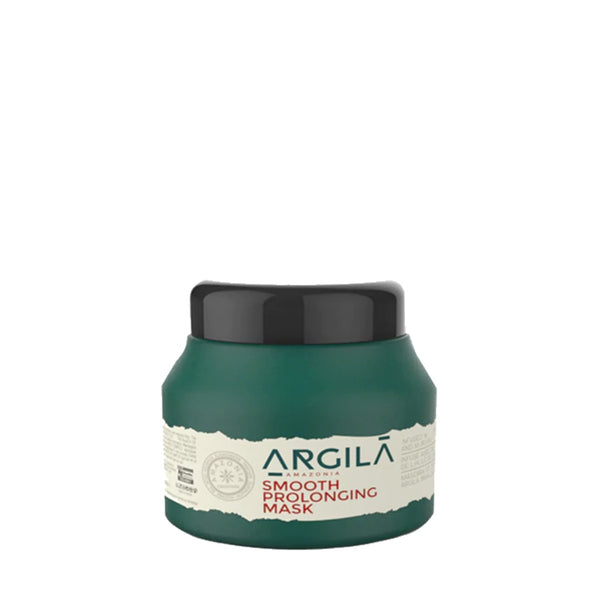
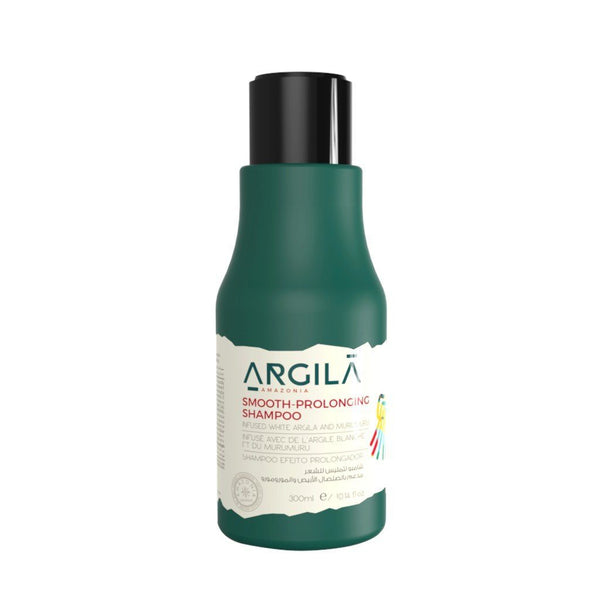
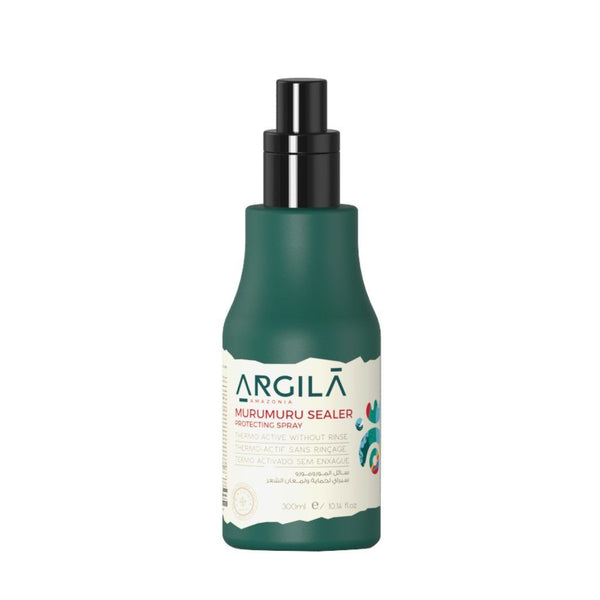
If you want the smoothing results of a Brazilian Blowout without the ingredient concerns, Argila Amazonia is the most compelling modern alternative available in the Philippines today.

Here's what sets it apart:
Vegan & Clean Formula
No formaldehyde, no parabens, no harsh chemicals. Argila Amazonia is safe for the stylist applying it and the client receiving it.
Nanoplasty Technology
Argila uses a "customisable" nanoplasty process — the stylist can calibrate the application time and heat to deliver anything from a light frizz-reduction to maximum smoothing, all on the same client in the same session.
The Power of Amazonian White Clay
The hero ingredient is Amazonian White Clay, working alongside amino acids to both hydrate and smooth the hair cuticle simultaneously. This is why Argila-treated hair looks and feels healthier than hair treated with protein-only formulas.
Safe for All Hair Types
Colour-treated, highlighted, bleached, fine, coarse — Argila Amazonia is formulated to work across the full spectrum of hair types without causing additional chemical stress.
How to Make the Most of Your Smoothing Treatment: Aftercare Essentials
Your in-salon treatment is only half the equation. What you do at home in the weeks that follow determines how long your results last.
The non-negotiable rule for semi-permanent treatments: switch to sulfate-free shampoos immediately after your service. Sulfates (sodium lauryl sulfate, sodium laureth sulfate) are the primary ingredient in standard shampoos that strips the protein bonds laid down during your treatment. Using a regular shampoo can cut your results from 3–4 months down to 6–8 weeks.
Additional tips to extend your smoothing treatment:
- Wait 72 hours before washing your hair after a semi-permanent treatment (48 hours minimum for Argila).
- Use a silk pillowcase or a loose braid at night — cotton creates friction that breaks down the treatment faster.
- Limit heat styling where possible. Your hair is already smooth; daily flat iron passes are unnecessary and add cumulative heat damage.
- Deep condition monthly. Semi-permanent treatments seal the cuticle but don't add structural protein — a monthly mask replenishes moisture.
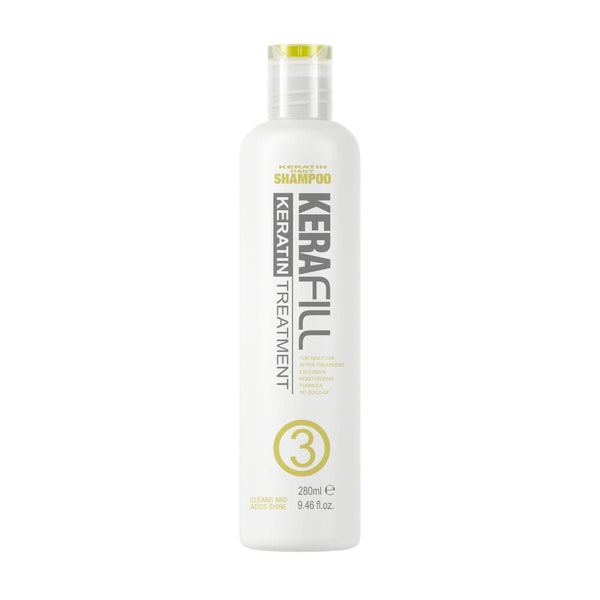
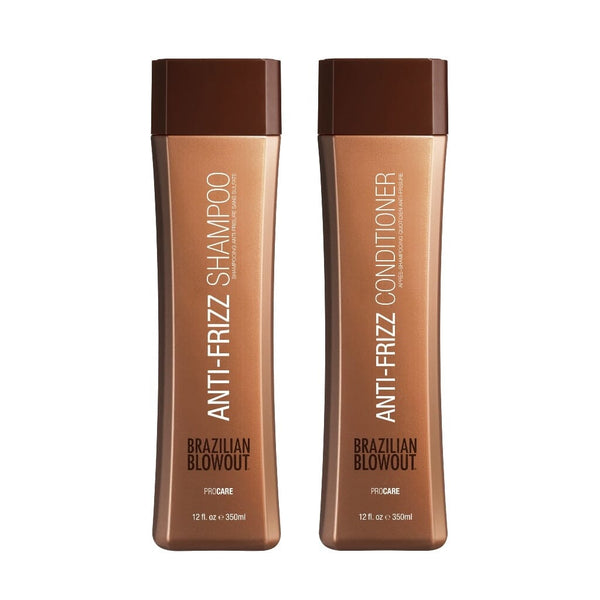
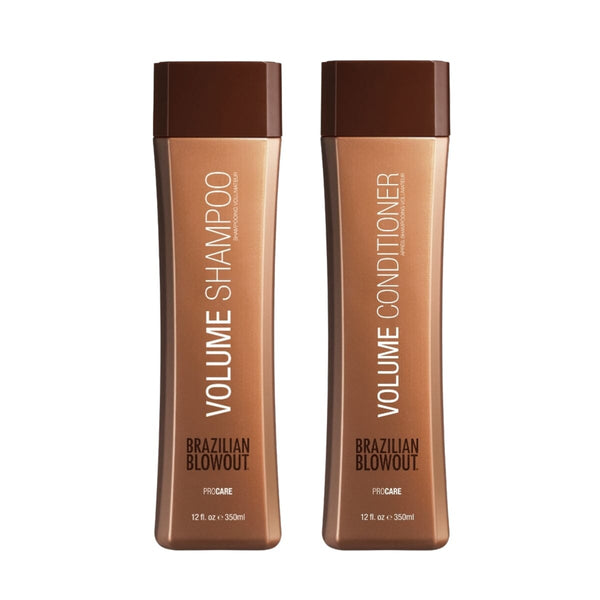
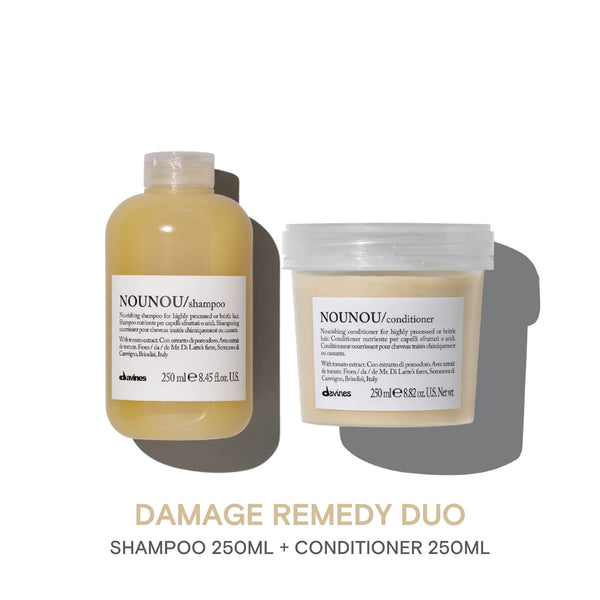
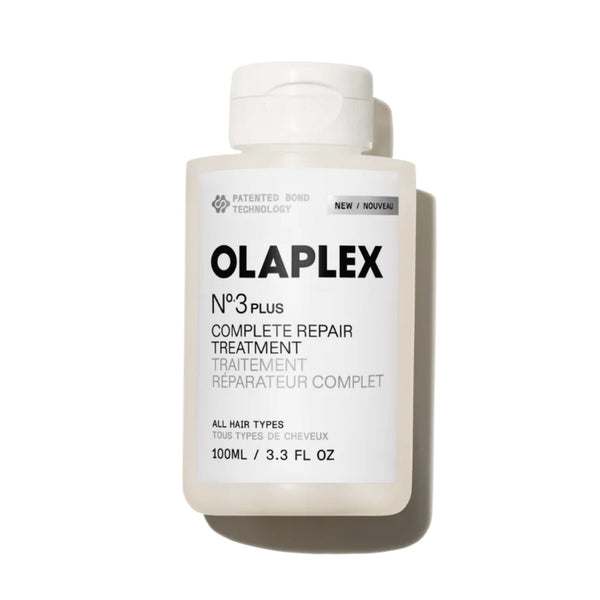
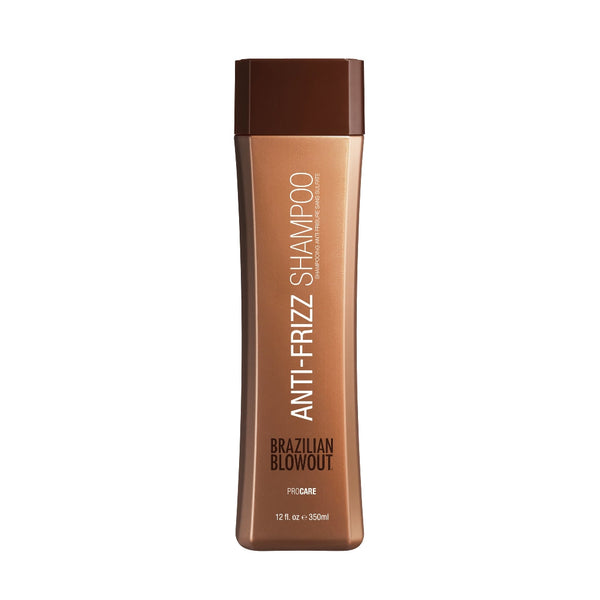
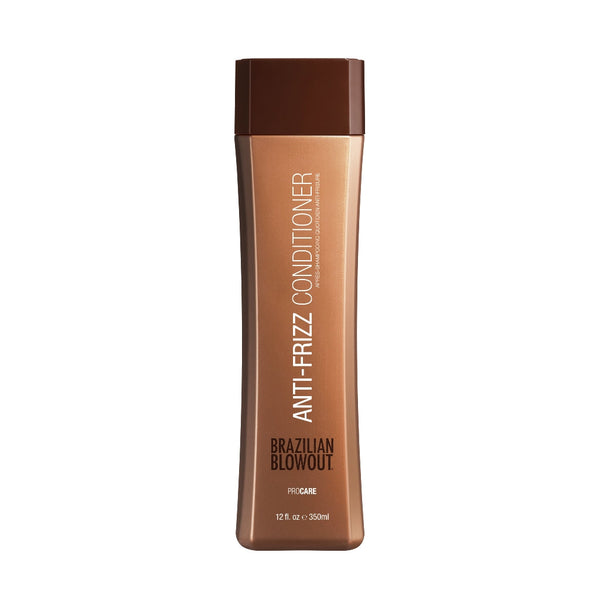
For a curated selection of the products our stylists actually recommend, browse the best aftercare products for Brazilian Blowout on HairMNL. Many of these work equally well for Argila Amazonia aftercare.
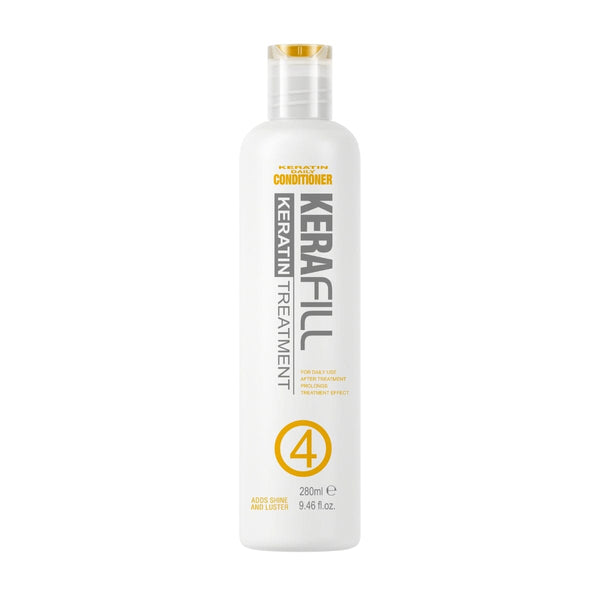
You can also find our full breakdown in the ultimate guide to keratin treatment and aftercare, which covers product-by-product recommendations for maintaining smoothed hair.
What to Tell Your Stylist Before Your Appointment
This is the section most guides skip — and it's one of the biggest gaps between a great result and a disappointing one.
Be honest about your hair history. Your stylist needs to know:
- Bleaching or lightening: If your hair has been bleached, highlighted, or lifted in the past 12 months, certain permanent treatments (especially rebonding) carry a significant breakage risk. A semi-permanent option is almost always safer.
- Previous chemical services: Relaxers, perms, and prior rebonding all affect how your hair will respond to a new treatment. Overlapping chemicals on already-processed sections is the most common cause of salon damage.
- Medications or scalp conditions: Some medications affect hair porosity and elasticity. Scalp psoriasis, seborrhoeic dermatitis, or active scalp irritation may make you a poor candidate for high-heat smoothing services until the condition is managed.
- Your maintenance willingness: If you're not going to commit to sulfate-free shampoo and monthly deep-conditioning, tell your stylist. They can recommend a lighter treatment with lower maintenance requirements rather than one that degrades rapidly and looks worse than no treatment at all.
Not Ready for a Salon Visit? Shop Frizz-Control Products
If you want to manage frizz between treatments — or prefer an at-home approach entirely — shop our frizz control collection on HairMNL. It covers everything from smoothing serums and leave-in treatments to heat protectants and anti-humidity sprays, sourced from the same professional brands our studio stylists use.
Ready for Your Hair Transformation?
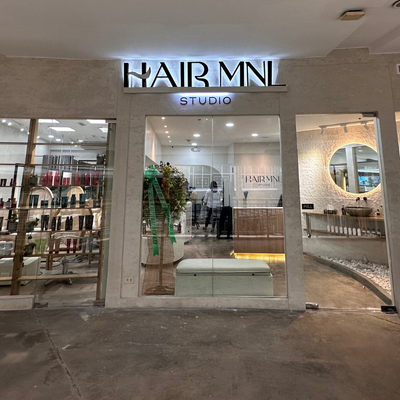
Whether you're drawn to the permanent precision of a rebond or the soft, hydrated finish of Argila Amazonia, the specialists at HairMNL Studio will help you find the right match for your hair type and lifestyle. Every head of hair is different, and a professional consultation — where your stylist assesses your texture, history, and goals in person — is the most reliable way to guarantee results you'll love.
Book your consultation today and walk in knowing exactly what to ask for.
Visit HairMNL Studio for a professional assessment, or explore our curated aftercare collections at hairmnl.com.