
The ultimate debate for anyone seeking sleek, manageable hair usually boils down to a single search query: keratin treatment vs rebonding. While both deliver a smooth finish, the science behind how they achieve that result—and the long-term impact on your strands—couldn't be more different.
To answer the question simply: Rebonding permanently alters the internal structure of your hair to make it flat and pin-straight. In contrast, a Keratin Treatment temporarily coats and fills the hair shaft with protein to eliminate frizz while retaining your natural body and movement.
Choosing the wrong smoothing service can lead to severe structural damage or chemical hair cuts. This is exactly why a personalized consultation with the highly trained hair professionals at HairMNL Studio is crucial before making your decision.
Here is the definitive guide to understanding these transformative processes.
The Smoothing Matrix
When weighing your options, it helps to look at the exact mechanics of each service. We've also included "Kerabond," a popular hybrid service that merges both techniques to capture the best of both worlds—which perfectly answers the common kerabond vs rebond query.
|
Feature |
Hair Rebonding |
Keratin Treatment |
Kerabond |
|
Chemical Process |
Bonds permanently broken and restructured |
Bonds coated and infused with protein; no breakage |
Bonds broken at the roots, coated with keratin on ends |
|
Resulting Texture |
Pin-straight, sleek, and flat |
Frizz-free, smooth, with natural volume |
Straight roots with smooth, natural-looking movement |
|
Longevity |
Permanent (until new hair grows out) |
2 to 4 months |
Permanent at roots, 2 to 4 months on ends |
|
Ideal Hair Type |
Thick, highly textured, completely unruly |
Frizzy, wavy, fine, or color-damaged |
Highly textured roots with previously treated ends |
Deep Dive: Hair Rebonding (Permanent Straightening)
The Science
To effectively rebond hair, a strong chemical straightener is applied to physically break the hair's natural disulfide bonds—the structural links that give your hair its natural curl or wave pattern. Once these bonds are broken, a flat iron is used to stretch the hair perfectly straight, and a neutralizer is applied to lock these restructured bonds into their new, pin-straight configuration permanently.
Who It's For
Hair rebonding is ideal for thick, curly, or extremely unruly hair types that desire a sleek, maintenance-free, drastically straight finish. Because it physically restructures the fiber, it is not recommended for heavily bleached or highly compromised hair.
The HairMNL Studio Advantage
Because rebonding is a heavy chemical process, you should never leave it to chance. Book your rebond at HairMNL Studio, where our hair experts perform strict physical strand evaluations—including a crucial wet elasticity test—to ensure your hair can safely handle the chemical restructuring.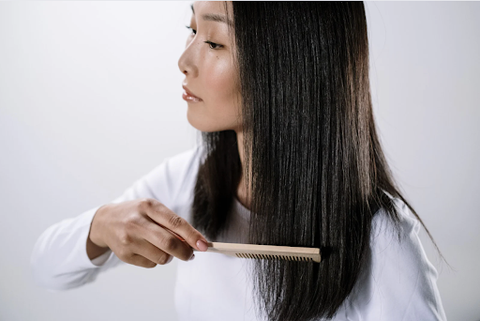
Deep Dive: Keratin Treatment (Frizz-Elimination)
The Science
Unlike rebonding, keratin treatments do not break the structural bonds of your hair. Instead, they act as an intense structural filler. The treatment injects liquid protein into the porous, damaged parts of the hair shaft. Heat is then used to seal the cuticle flat, locking the protein in to create a glossy, humidity-proof shield.
Who It's For
If you are endlessly debating hair rebonding vs keratin treatment, note that keratin is universally friendly. It is ideal for frizzy, wavy, or color-treated hair that wants smooth, silky manageability without losing its natural volume or wave pattern.
The HairMNL Studio Advantage
We prioritize the health of your hair and your environment. At HairMNL Studio, we offer premium, formaldehyde-free options like the Argila Amazonia Smoothing Treatment, which utilizes white argila clay and murumuru oil to achieve flawless smoothing without harsh chemicals.

The Expert Toolkit: Smoothing Aftercare
Chemical smoothing changes the needs of your hair. Standard drugstore shampoos can strip your expensive keratin or cause chemically straightened hair to snap. To protect your investment, incorporate these advanced formulations into your routine:
For Keratin-Treated Hair:
-
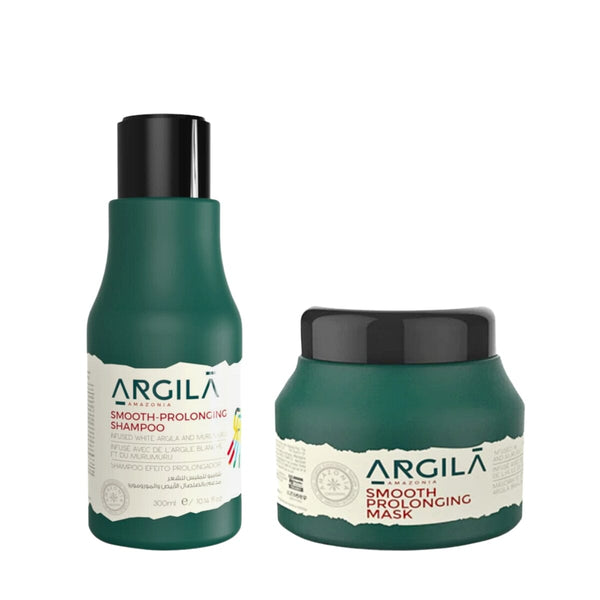
Argila Amazonia Smooth-Prolonging Shampoo and Mask Duo: The ultimate sulfate-free, vegan-friendly maintenance set crafted specifically to extend the life and smooth finish of your Argila Keratin treatment.

-
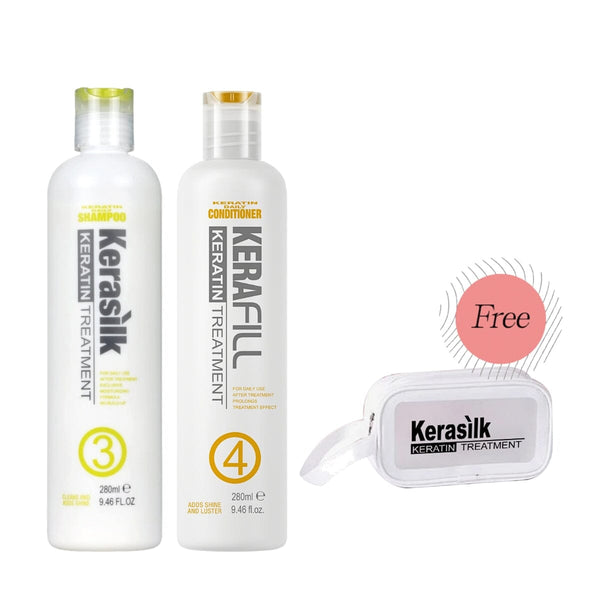
Kerafill Keratin Treatment Shampoo & Conditioner Duo: Expertly designed to protect, nourish, and prolong the results of post-keratin treated hair by ensuring the cuticles remain sealed and fortified.

-
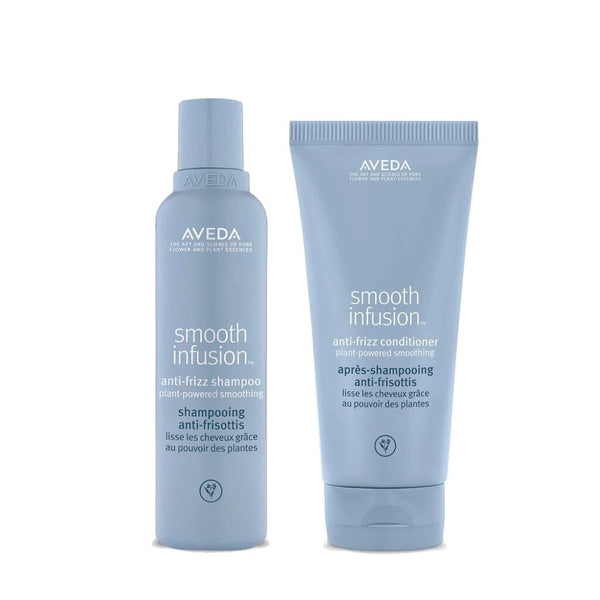
Aveda Smooth Infusion Anti-Frizz Shampoo & Conditioner Duo: Providing botanical-based care, this 100% vegan, silicone-free duo creates an invisible plant polymer shield to offer everyday frizz control and defense against humidity.

-
Shop the full collection: Products for Keratin-Treated Hair
For Rebonded Hair:
-
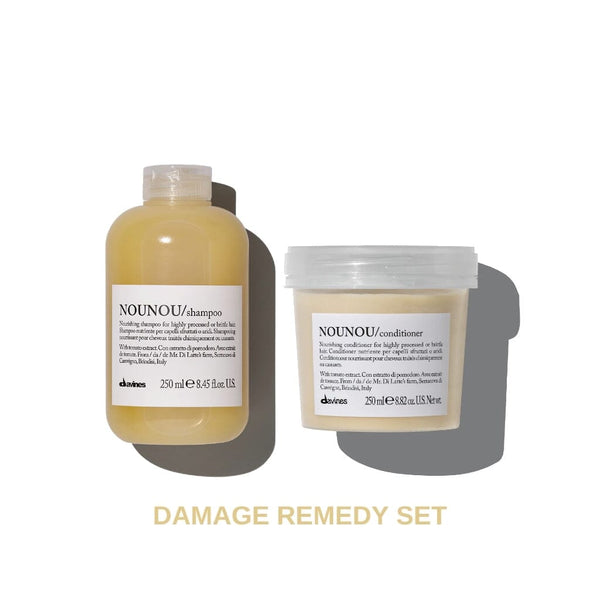
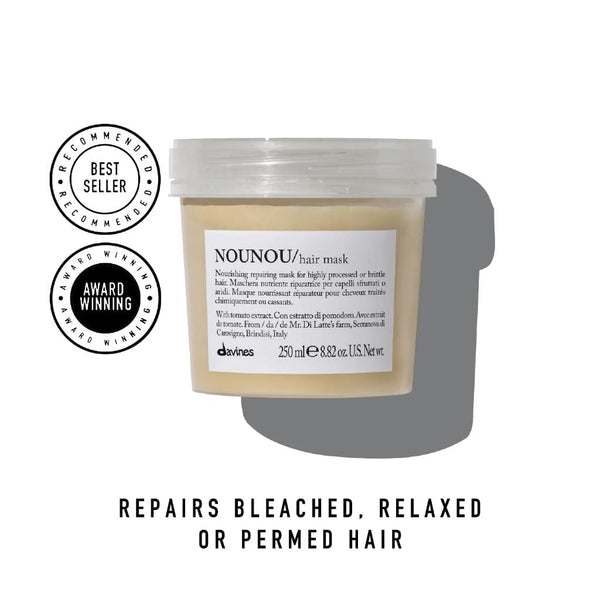
Davines NOUNOU Damage Remedy Set: Ideal for highly processed hair, this set deeply nourishes and replenishes moisture lost during the chemical rebonding process.

-
L'Oréal Professionnel Serie Expert Absolut Repair Molecular Shampoo & Masque Duo: Chemically restructured hair requires immediate amino acid replenishment. This targeted system injects pure amino acids and peptide bonders back into the restructured fiber, reinforcing the internal architecture to prevent snapping and split ends.
-
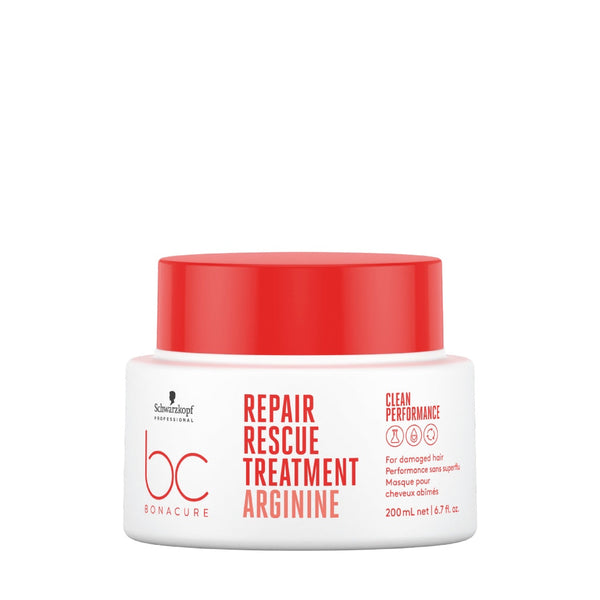
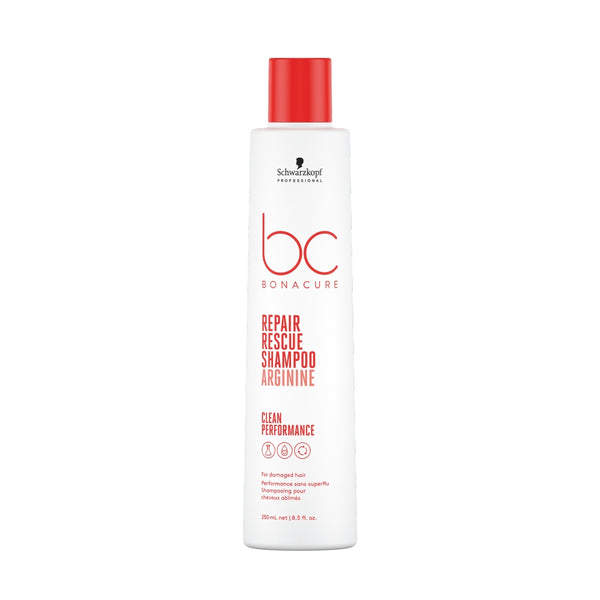
Schwarzkopf Professional BC Bonacure Repair Rescue Arginine: Formulated with advanced arginine, this range reverses years of damage and structural weakness, restoring the strength needed for successfully rebonded hair.

-
Shop the full collection: Products for Rebonded Hair
For All Smoothing Aftercare:
-
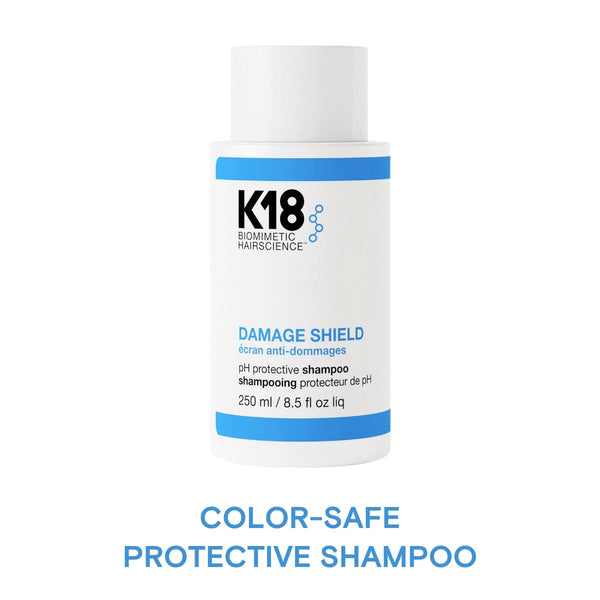
K18 Damage Shield PH Protect Repair Shampoo & Limited Edition Mask x Future Society Duo: Whether you opted for Keratin, Rebond, or Kerabond, maintaining optimal pH is non-negotiable. This science-backed duo maintains the hair's delicate pH balance and protects against daily environmental damage without stripping the keratin coating or the rebonded texture.
-
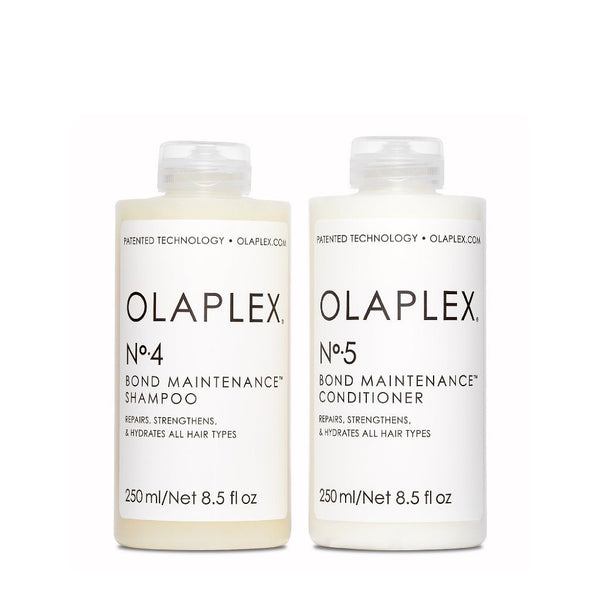
Olaplex Daily Cleanse & Condition Duo: A universal powerhouse, this duo actively rebuilds broken disulfide bonds from the inside out while gently cleansing treated strands.

-
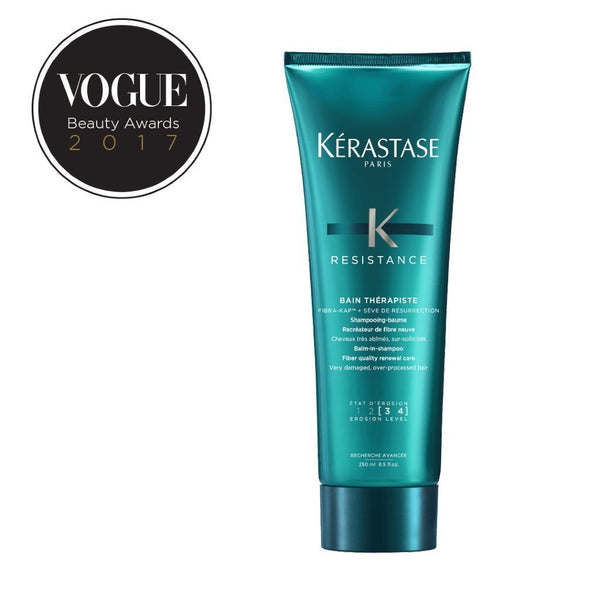
Kérastase Premiere Damage Repair Intensive Shine Oil: Chemically processed hair often lacks natural lipid production. This luxurious, concentrated oil seals split ends and delivers a radical, glossy finish to dull, chemically treated hair while neutralizing calcium buildup from hard water.
-
Shop the full collection: Post-Salon Smoothing Treatment Maintenance
Conclusion & Booking
The hair rebonding vs keratin treatment debate ultimately comes down to your desired texture: do you want pin-straight permanence, or versatile, frizz-free volume? Because both services demand a high level of chemical expertise, trust your transformation to the authorities. Book a personalized hair consultation at HairMNL Studio today and let our specialists guide you to your smoothest hair yet.