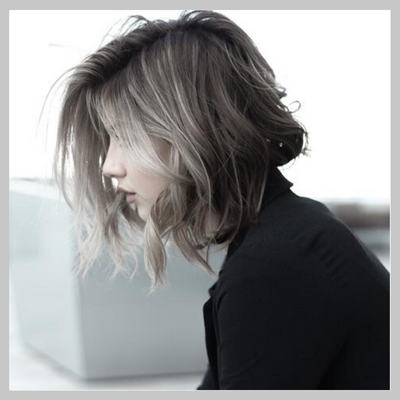
Your hair just survived a plane cabin with 12% humidity, two days of hard resort water, relentless tropical sun, and salt air. Back home, it feels rough, looks brassy, and won't cooperate — and a standard deep-conditioning mask isn't going to cut it. Post-travel hair damage is a multi-layered problem — calcium buildup, broken polypeptide chains, colour oxidation, and travelling split ends — and each layer needs a different fix. This four-step recovery roadmap tells you exactly what to do first, with salon-grade solutions and at-home products for every step.

Not sure how deep the damage actually goes? Read 4 Common Causes of Hair Damage And How to Solve Them before you start, or take the How Tired & Damaged is Your Hair? Find Your Treatment Here guide for a full diagnosis.
Why Travel Wrecks Your Hair (The Short Version)
Before you treat, it helps to understand what you're actually dealing with. Three travel conditions do the most damage:
- Cabin air and recycled air-conditioning strip moisture from the cuticle, leaving hair porous and prone to frizz.
- Hard water at your destination deposits calcium and mineral buildup on the hair shaft — this is often why hair feels coated, heavy, or unusually tangled after a trip. Philippine tap water is already moderately hard; resort and hotel water abroad can be significantly worse.
- Sun, salt, and chlorine oxidise colour (causing brassiness), break down the hair's polypeptide chains at the molecular level, and dehydrate the scalp.
The result is compounded damage — not just dryness — which is why the recovery routine matters so much. For a broader look at what different forms of environmental damage do to your strands, see our guide on the Post-Vacation Hair Care Routine for Dull and Tired Hair.
The 4-Step Post-Travel Hair Recovery Routine
Step 1: Decalcify Before You Do Anything Else

Hard water leaves a mineral film on every strand. If you deep-condition or treat over that film, the active ingredients can't fully penetrate the cortex — you're essentially moisturising a layer of limestone. Your first wash back should always be a decalcifying one.
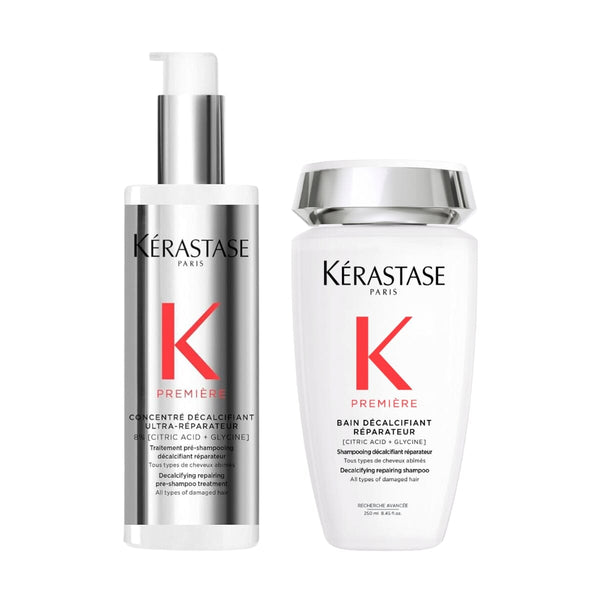
At-home pick: The Kérastase Première Decalcifying Damage Repair Shampoo Duo is built specifically for this. Kérastase Première uses an acidic, chelating formula that dissolves calcium and mineral deposits without stripping the hair's natural lipid layer. Use it on your first wash back — even before your usual colour-safe or strengthening shampoo. Once the mineral crust is gone, every treatment you apply after it will work noticeably better.
At HairMNL Studio: A clarifying or scalp-cleanse service using professional-grade chelating products makes a useful first in-salon step after a holiday, especially if you're booked in for a colour correction or repair treatment. Check the HairMNL Studio Service Menu for current options, or book online to secure your slot.
Step 2: Repair at the Molecular Level

Once the mineral barrier is cleared, the next priority is structural repair — restoring the broken polypeptide chains inside the cortex that UV exposure and salt water degrade. Surface conditioning helps with feel, but it doesn't fix the internal architecture of the hair fibre.
At-home pick: The K18 Leave-In Molecular Repair Hair Mask is the most efficient way to do this at home. The K18PEPTIDE™ is clinically proven to reconnect broken polypeptide chains — the bonds that give hair its strength, elasticity, and bounce — in as little as four minutes. It works on all hair types, requires no rinse, and because it repairs at the innermost layer of the hair, results are lasting (not just coating the surface). Apply it after shampooing, leave for four minutes, and style as usual. The 15ml travel size is ideal if you want to start the routine on your last night away.
Four to six consecutive wash cycles of K18 are typically enough to address structural damage from a one- to two-week trip.
At HairMNL Studio: Our stylists can incorporate K18 into a professional repair treatment session for more intensive results, especially for hair that's also chemically processed. Book online to start your repair journey.
Step 3: Toning — Say Goodbye to Post-Beach Brass

The Problem: Chlorine and relentless sun exposure oxidise your hair colour, quickly turning a beautiful blonde, ash, or cool brunette into a brassy, orange mess. Toning on top of mineral buildup or damaged structure won't hold properly, which is why this is Step 3.
At HairMNL Studio: Instead of committing to a full colour session, a quick Hair Toning & Gloss service neutralises unwanted warm tones. It deposits a high-shine, conditioning finish that makes your colour look fresh-from-the-salon without additional lifting or chemical stress. Book online to refresh your colour.
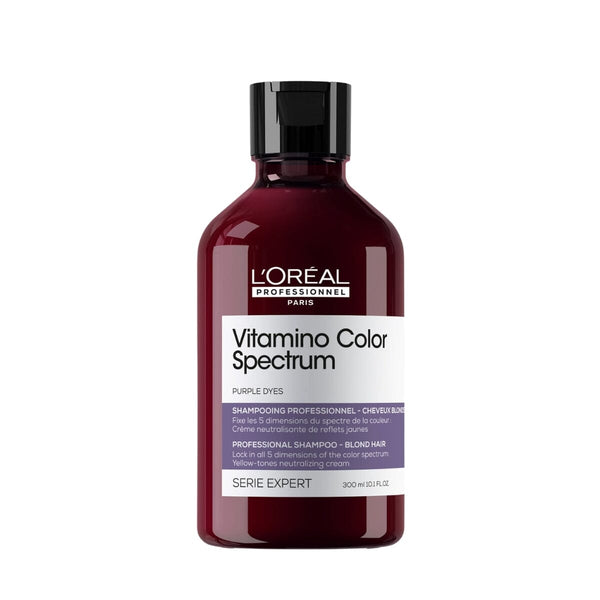
At-home pick: L'Oréal Professionnel Vitamino Color Purple Shampoo. To keep those cool tones locked in, swap your regular shampoo for this once or twice a week. It’s formulated with professional violet pigments to instantly neutralise yellow and brassy undertones, while the Vitamino Color technology ensures your hair stays soft and protected from further fading.
Step 4: The Precision Cut — Remove the Dead Weight

The Problem: Sometimes, the ends of your hair are simply past the point of return. Split ends don't just look frayed and unhealthy; if left unchecked, they "travel" up the hair shaft, causing structural damage and breakage higher up.
At HairMNL Studio: A Signature Haircut. No amount of conditioning product can permanently glue a deeply split end back together. A strategic trim or a fresh new style removes the most damaged, unsalvageable parts of your hair, instantly restoring a healthy bounce and making your daily routine infinitely easier to manage. Book online to shed the dead weight.
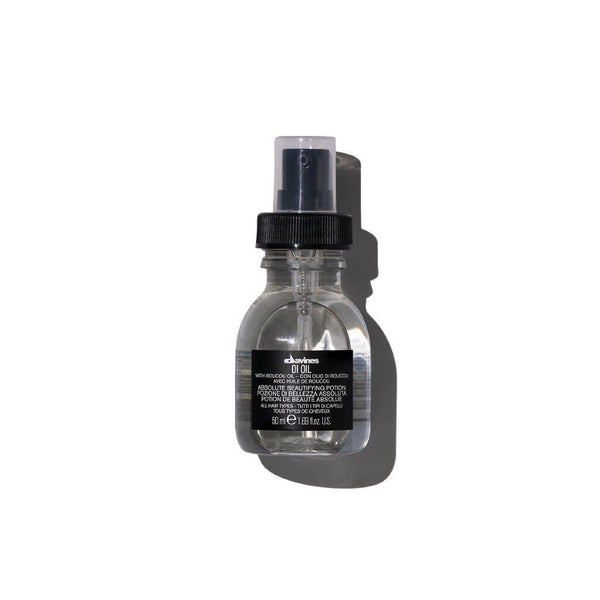
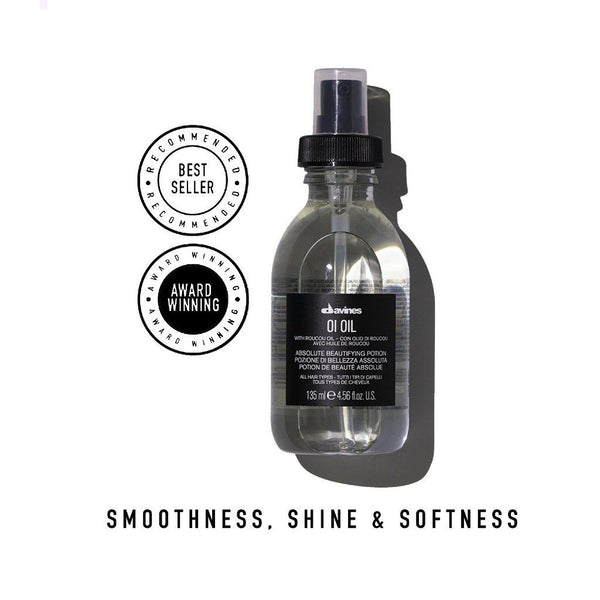
At-home pick: Davines OI Oil. To maintain the integrity of your fresh cut, apply a few drops of this cult-favourite oil to your ends daily. Formulated with antioxidant-rich Roucou Oil, it delivers an instant anti-frizz effect and creates a protective barrier against further mechanical damage from brushing or heat styling.
Packing Smart: Protect Your Hair Before the Next Trip
The best post-travel recovery routine is the one you don't have to run — because you protected your hair proactively. On your next trip, consider packing the following:
- A chelating or clarifying shampoo for use on your last night or first morning back
- A travel-size leave-in repair treatment (the K18 15ml Mask is compact and TSA-approved)
- A UV-protectant oil or spray for beach or outdoor days
- Your toning shampoo if you're colour-treated
Browse curated travel-size essentials in the Best for Travel collection.
Ready to start your recovery? Whether you need a professional decalcifying treatment, molecular repair service, or a colour tone-up after your holiday, HairMNL Studio has you covered. View the full HairMNL Studio Service Menu to find your perfect treatment.